


HBCU Engage 2026 Event Materials
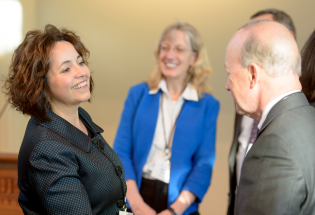
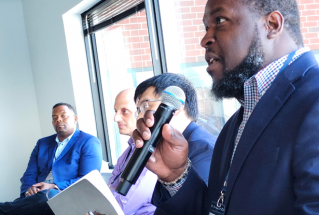
 HBCU Engage 2026 marked the fifth annual convening, bringing together leaders from HBCUs, corporate foundations, private funders, industry, nonprofits, universities, and government to strengthen collaboration and expand partnership opportunities. Discussions focused on advancing strategic philanthropy and investment in HBCUs and exploring how institutions can lead innovation ecosystem development through research collaboration, entrepreneurship, and regional economic growth. Through engaging sessions and networking, the forum highlighted practical models and partnerships supporting the continued impact of HBCUs in the innovation economy.
Need a recap? Access available presentations from HBCU Engage below, and bookmark this page to find new resources as they are added. Presentations were provided by speakers; content does not necessarily reflect UIDP policies or positions.
March 25, 2026
Strategically Catalyzing HBCU Strengths Through Research Investments
Alicia Knoedler, NSF; Raymond Samuel, North Carolina A&T State University
This session explored approaches and strategies to progress high-impact research
programs that strengthen HBCUs’ role in advancing national goals and foster
deeper engagement with funding agencies. Participants gained insight into how to
position their institutions for developing and realizing sustained impact, particularly
utilizing effective partnerships with a broad variety of sponsors, like the National
Science Foundation and other government agencies.
Mike Brizek, VentureWell
This session discussed VentureWell’s engagement with HBCUs and MSIs in understanding their needs and perspectives related to research translation. They shared perspectives related to opportunities and challenges in partnerships, funding, and research. The session concluded with an overview of how VentureWell, as an entrepreneurial support organization, can be a partner with HBCUs and MSIs in their innovation ecosystem development.
March 26, 2026
HBCU-ASPIRE Initiative: Best Practices for Building Research Capacity: A National Model
Tommie Turner, Harris-Stowe State University; Emmanuel Atta-Obeng, Coppin State University; Dorothy Daley, Kentucky State University; Jayanta Das, Florida Memorial University; Freddie Wills, Harris-Stowe State University
The HBCU Alliance for Strategic Partnerships for Innovation and Research Enhancement shared early insights from its NSF-supported work to strengthen research infrastructure and innovation capacity across four institutions. Panelists discussed how systematic assessment, coordinated faculty support, and improved research administration practices are shaping their path toward national competitiveness. Attendees gained practical guidance for addressing common barriers, adopting scalable research development practices, and building collaborative frameworks that advance institutional research readiness.
Developing Corporate Education Partnerships for Online Programs
David Furchner, Senior Director, Education Alliance – Business to Business, Military and Federal Government Sectors
This session explored how universities and colleges can expand enrollment and deepen industry relationships through customized corporate and association education partnerships. Participants examined practical strategies for positioning online degree and non-degree programs as high-value workforce upskilling solutions. The discussion covered identifying high-potential employer markets, designing tiered tuition partnership models, and aligning academic offerings with real-world workforce needs. The session also highlighted scalable partnership frameworks, from agreements to onboarding and marketing, and shared best practices for sustaining long-term employer relationships that support enrollment growth, brand visibility, and institutional differentiation.
Applying I-Corps Learnings to Strengthen External Engagement
Charleson Bell, Vanderbilt University; LaRico Treadwell, E4 Power Consulting
This breakout session explored what HBCUs can learn from the I-Corps model about preparing faculty and students to engage effectively with external partners. Rather than focusing on I-Corps as a program, the session examined the transferable lessons that have emerged from I-Corps participation, including customer discovery, early industry engagement, and institutional support structures that enable applied and translational work. Drawing on real-world experience, participants engaged in a facilitated conversation about how I-Corps principles can be adapted beyond commercialization to strengthen research partnerships, workforce pathways, and industry engagement more broadly.


